
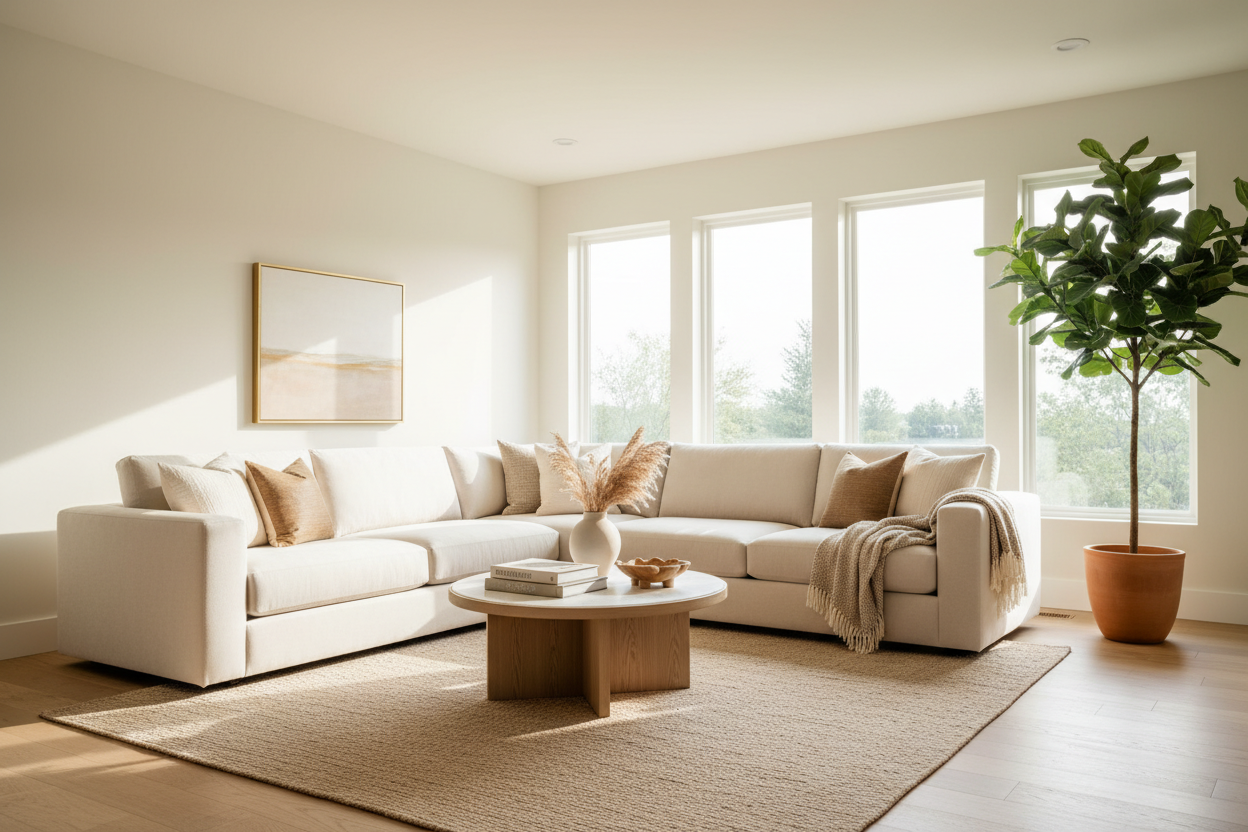
When a listing crosses 30 days on market, most agents start talking about a price reduction. But before you cut the number, look hard at the photos. In the majority of stale listings, the price isn't the problem — the visual presentation is. Buyers have already scrolled past it, decided it wasn't interesting, and moved on. A lower price won't change that. Better photos will.
Why Listings Go Stale (It's Usually the Photos)
Online real estate platforms surface new listings prominently. After a few weeks, the same photos have already been seen — and mentally filed away — by the active buyers in that market. Click-through rates drop sharply after the first 21 days. Buyers start to assume something must be wrong with the property because everyone else has passed on it. This is pure perception driven by stale visual content, not an actual flaw in the home.
The original staging may have been fine at launch. But buyer preferences shift, seasonal light changes, and small things that looked acceptable in week one start reading as dated by week five. A fresh visual reset — without changing anything physical about the property — can make a listing feel genuinely new to buyers who saw it before and dismissed it.
What a Virtual Restage Actually Changes
Virtual restaging means replacing the existing room setup in your listing photos with a new, digitally rendered interior — different furniture, different color palette, different styling. The walls, floors, windows, and architectural features stay identical. Only the furnishings and decor change.
The effect on buyer perception is immediate. A room that looked heavy and dark with the seller's existing furniture can look airy and contemporary with a clean virtual restage. The photo isn't lying about the space — it's showing what the space is actually capable of. With Stagerify, you upload the existing listing photo, optionally remove the current furniture with the built-in virtual removal tool, choose a staging style, and receive photorealistic results in seconds.
Which Rooms to Prioritize First
You don't need to restage every room. Focus your effort on the photos buyers spend the most time with:
- Living room — this is almost always the hero shot and the first photo buyers see. It sets the entire tone of the listing.
- Primary bedroom — the room buyers linger on longest after the living space. A dated or cluttered bedroom kills momentum fast.
- Kitchen — if the kitchen looks tired in the original photos, a restage that shows clean counters, fresh styling, and modern accents can shift perception dramatically without a single physical change.
Restaging two or three key rooms is usually enough to make the listing look meaningfully different in search results and trigger fresh interest from buyers who saw it before.
The Relisting Strategy That Resets Buyer Psychology
New photos alone are powerful. But pair them with a brief off-market period and a relist, and you also reset the days-on-market counter — the single metric buyers use as a proxy for desirability. Pull the listing for a few days, swap in the new images, then relist. Buyers who encounter it in search won't see a tired property that's been sitting for two months. They'll see what looks like a fresh listing with compelling photos.
If the property genuinely needs a price adjustment too, make it at the same time as the photo refresh. Never cut price without updating the visuals. A lower number on bad photos just confirms to buyers that the property is a problem.
Speed Is the Whole Advantage
Traditional restaging requires coordination: a physical stager, furniture rental, a return photography session, editing. That's a week of calendar time and several hundred to several thousand dollars — all while the listing continues to sit. Virtual restaging with AI collapses that timeline to an afternoon. Upload the photo, choose a style, review the result, and have new images ready for the MLS before the end of the day.
For agents managing multiple stale listings, or investors carrying vacancy costs on a property that won't close, the speed and cost difference is the entire value proposition. The property is the same. The photos tell a better story about it — and that's enough to move it.